
What Are Apps and How They Transform Our Daily Lives
How Mobile Applications Shape Everyday Life
Take a moment to consider your smartphone’s home screen. It’s likely packed with dozens of small icons that handle everything from banking transactions to ordering breakfast. In 2024 America, this is the reality of mobile applications.
Americans now dedicate an average of 4.8 hours per day to mobile apps, a staggering statistic that translates to nearly a third of our waking hours engaging with software designed to streamline our lives. This engagement speaks to the increasing reliance on these digital tools to fulfill daily tasks, manage responsibilities, and even nurture relationships.
Understanding Mobile Applications
At their core, apps are interactive software programs designed to address specific problems or to deliver particular services. In contrast to traditional websites, which require a browser and typically an internet connection, apps live directly on user devices, allowing for actions without always needing to go online. This capability showcases their efficiency, enabling users to accomplish tasks quickly and seamlessly.
Recognizing the role of apps in daily life requires an appreciation for how integrated they are in our routines. Consider the many tasks that now begin with a tap or swipe on an app rather than traditional methods like phone calls or physical trips:
- Ordering a favorite coffee from Starbucks before you leave the house, ensuring it’s ready for pickup.
- Checking your bank account balance during a lunch break using your banking app, providing instant access without visiting a bank branch.
- Tracking your workout using a fitness app that monitors your heart rate and calories burned while jogging through the neighborhood.
- Hailing a ride from Uber with a few taps on your screen, communicating with the driver entirely through the app.
The impact of apps on society extends beyond mere convenience. They have revolutionized business operations—from retail to hospitality—by enabling direct consumer interaction. In healthcare, apps facilitate telemedicine, allowing patients to consult medical professionals from the comfort of their homes, which has become especially crucial during public health crises. Moreover, apps have transformed family communication, helping loved ones stay connected despite geographical barriers through instant messaging and video calls.
This article will delve deeper into the benefits of mobile apps, illustrating their real-world applications across various sectors. We will examine how the proliferation of applications is altering our lives in subtle yet profound ways, prompting many to reconsider how they engage with technology daily. The rapid evolution of mobile apps continues to shape our society, influencing everything from personal choices to global business trends.
LEARN MORE: Introduction to Operating Systems: Understanding Windows, Mac, and Linux
# The Categories That Define Modern App UsageTo truly grasp what are apps and their significance, it helps to break down the major categories dominating American smartphones today. Each category serves distinct purposes, yet together they form an ecosystem that touches nearly every aspect of daily existence.The Pew Research Center reports that 96% of Americans now own a smartphone, and the average device carries between 60 and 90 installed applications. However, most users regularly interact with only 9 to 10 apps per day, revealing which categories have truly earned permanent spots in our routines.
Productivity and Communication Apps
Workplace apps have fundamentally altered how Americans approach their jobs. Tools like Slack, Microsoft Teams, and Zoom transformed from optional software into essential infrastructure, particularly following the shift toward remote and hybrid work models.This category demonstrates one of the clearest examples of how apps change our lives professionally:
- Google Workspace apps allow teams to collaborate on documents simultaneously from different states or countries.
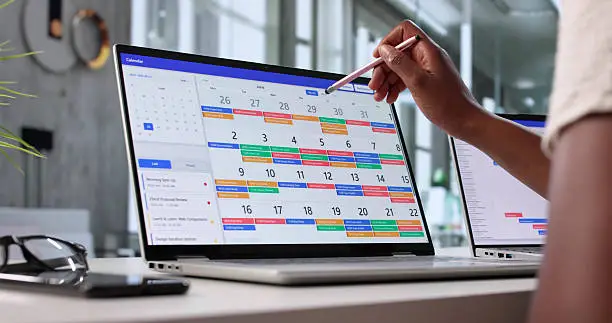
- Calendar applications sync across devices, automatically adjusting for time zones during virtual meetings.
- Project management tools like Asana or Trello replace endless email chains with visual task tracking.
- Password managers such as LastPass secure digital identities across dozens of platforms simultaneously.
Financial and Shopping Applications
The financial technology sector, commonly called fintech, represents one of the most disruptive areas of mobile applications uses. Apps like Venmo, Cash App, and Zelle have made splitting a dinner bill or paying rent nearly instantaneous, eliminating the need for checks or cash entirely.Shopping apps have similarly reshaped consumer behavior. Amazon’s mobile platform alone accounts for a significant portion of American e-commerce traffic, while apps like Instacart and DoorDash have created entirely new delivery economies that didn’t exist fifteen years ago.
Entertainment and Social Connection
Streaming platforms including Netflix, Spotify, and YouTube have restructured how Americans consume media, moving away from scheduled programming toward on-demand content libraries. Meanwhile, social media applications continue dominating screen time statistics, with Instagram and TikTok users spending substantial portions of their daily 4.8 hours of app engagement scrolling through curated feeds.This entertainment shift illustrates the broader impact of apps on society: traditional gatekeepers like television networks and radio stations now compete directly with algorithm-driven platforms that personalize content for individual users, creating fragmented but highly tailored media consumption patterns across different demographics and age groups nationwide.

RECOMMENDED: Cloud Storage for Beginners: How Online Storage Works Safely in 2026
# Health, Navigation, and the Apps Redefining Personal WellnessBeyond productivity and entertainment, another layer of apps in daily life quietly manages Americans’ physical wellbeing and movement through the world. These categories rarely make headlines, yet they operate as essential infrastructure for millions of daily decisions.
Health and Fitness Tracking
The healthcare sector has experienced one of the most measurable transformations tied to smartphone adoption. According to a 2023 Pew Research survey, roughly 60% of American adults use at least one health or fitness application regularly, ranging from step counters to comprehensive symptom trackers.Apps like MyFitnessPal, Fitbit, and Apple Health have turned smartphones into personal health dashboards. This shift represents a tangible benefit of mobile apps that extends into preventive medicine:
- Telehealth platforms such as Teladoc allow patients to consult physicians without leaving home, a practice that surged during the pandemic and never fully receded.
- Medication reminder apps reduce missed doses among patients managing chronic conditions like diabetes or hypertension.
- Mental health applications, including Calm and Headspace, report millions of downloads as Americans increasingly seek accessible, low-cost mental wellness resources.
- Menstrual and reproductive health trackers have become primary tools for millions of women monitoring cycles and fertility windows.
Insurance companies have taken notice too. Some providers now offer premium discounts to users who share activity data from wearable-linked apps, blending private industry incentives with everyday health monitoring.
Navigation and Location-Based Services
Few examples capture how apps change our lives as clearly as navigation technology. Google Maps and Waze have essentially eliminated the paper atlas from American vehicles, rerouting drivers around traffic in real time using crowdsourced data from millions of other users.This convenience extends far beyond simple directions. Ride-sharing apps like Uber and Lyft created transportation alternatives in cities where taxi availability was historically inconsistent, while apps such as Transit merge public transportation schedules into single, searchable interfaces.Location-based services also power hyperlocal advertising, restaurant recommendations, and weather alerts tailored to a user’s exact coordinates, demonstrating the broader impact of apps on society in ways users often take for granted.
Education and Skill-Building Platforms
Learning applications represent another expanding frontier among mobile applications uses. Duolingo alone reports over 40 million monthly active users, many of them Americans studying languages during commutes or lunch breaks.Platforms like Khan Academy and Coursera have democratized access to coursework once confined to university classrooms, letting curious users explore calculus, coding, or art history at no cost. This educational accessibility continues reshaping expectations around lifelong learning nationwide.
RECOMMENDED: Effective Digital Habits: Note-Taking Strategies to Boost Your Productivity
# The Bigger Picture: Apps as the Architecture of Modern LifeAnswering What Are Apps today requires more than a technical definition. These small software programs have quietly become the operating system for American life itself, stitching together health, transportation, learning, and commerce into a single glowing rectangle most people check within minutes of waking up.Consider the scope covered here. Fitness trackers logging heartbeats. Maps rerouting drivers around gridlock on I-95. Language apps squeezed into subway commutes. Each example reinforces the same truth: apps in daily life no longer sit on the periphery of routine, they define it.The benefits of mobile apps extend well beyond convenience, too. They lower barriers to healthcare access, democratize education once locked behind university tuition, and give consumers real-time data to make smarter decisions, whether that’s avoiding traffic or catching irregular health symptoms early.Yet this transformation raises questions worth continued scrutiny. Data privacy, screen dependency, and algorithmic influence over choices remain unresolved tensions tied to the impact of apps on society. Understanding how apps change our lives means acknowledging both the efficiency gained and the autonomy occasionally surrendered in exchange.Looking ahead, the expanding mobile applications uses in artificial intelligence, telehealth, and personalized learning suggest this transformation is far from finished. Analysts project the global app economy will surpass $935 billion in consumer spending by 2027, a figure signaling deeper integration, not retreat.The smartphone in your pocket is no longer just a communication device. It is a personal assistant, a doctor’s waiting room, a classroom, and a compass, all built from lines of code that Americans now trust with remarkable intimacy. The real story ahead may not be whether apps continue transforming daily life, but how thoughtfully society chooses to manage that transformation.
Frequently Asked Questions
What are apps and how do they function on my smartphone?
Apps, or applications, are software programs designed specifically for mobile devices such as smartphones and tablets. They perform various functions, from social networking to productivity, and operate through an interface that allows users to interact easily with the device’s features.
In what ways do apps improve daily productivity?
Apps enhance daily productivity by automating tasks, providing organizational tools, and facilitating communication. Tasks such as scheduling appointments, tracking time management, and accessing information quickly through search features take less time, enabling users to focus on more critical aspects of their day.
How do apps impact our social interactions?
Apps significantly transform social interactions by allowing users to connect with friends and family instantly, regardless of physical distance. Social media apps enable sharing moments, while messaging apps facilitate real-time conversations, creating a more connected world.
What role do apps play in the way we shop today?
Apps play a critical role in modern shopping by providing convenient platforms for browsing, comparing, and purchasing products directly from mobile devices. Many shopping apps offer personalized recommendations, price alerts, and user reviews, enhancing the overall shopping experience.
Are there any apps specifically designed for health and wellness?
Yes, there are numerous apps dedicated to health and wellness, ranging from fitness tracking to mental health support. These apps can help you monitor physical activity, manage dietary choices, or even offer guided meditation, contributing to an overall healthier lifestyle.
How do apps stay updated with the latest technology trends?
Apps remain updated with the latest technology trends through regular updates released by developers, which may include new features, performance improvements, and enhanced security measures. Additionally, many apps leverage cloud technology to ensure they can evolve rapidly and adapt to new user needs and device capabilities.

Beatriz Johnson is a technology writer with an academic background in Digital Communication and Information Technology. She helps beginners understand digital tools, online safety, apps, productivity, and basic tech skills through clear and practical guides.