

10 Tips for Organizing Digital Files and Building Deep Work Habits
10 Tips for Organizing Digital Files and Building Deep Work Habits
Organizing digital files is one of the simplest ways to improve productivity, reduce stress, and create a cleaner digital workspace. When files are scattered across folders, desktops, downloads, emails, and cloud platforms, even simple tasks can take longer than necessary.
A strong digital organization system helps you find documents faster, manage projects more clearly, and stay focused during important work sessions. When combined with deep work habits and time management tools, it can support a more efficient and distraction-free routine.
In this guide, you will learn practical tips for organizing digital files, building deep work habits, and using time management tools to improve your daily workflow.
READ ALSO: 6 Easy Open Source Software Alternatives to Organize Digital Files
Why Organizing Digital Files Matters
A cluttered digital workspace can slow down your work and make it harder to focus. When you cannot quickly find the right document, image, spreadsheet, or project file, your attention gets interrupted and productivity drops.
Organizing digital files can help you:
- Find important documents faster.
- Reduce digital clutter and confusion.
- Improve collaboration with teams.
- Avoid duplicated or outdated files.
- Protect important information with better backups.
- Support deeper focus during work sessions.
How to Organize Digital Files Effectively
Digital file organization works best when your system is simple, consistent, and easy to maintain. You do not need a complicated structure. The goal is to create a filing system that helps you quickly understand where everything belongs.
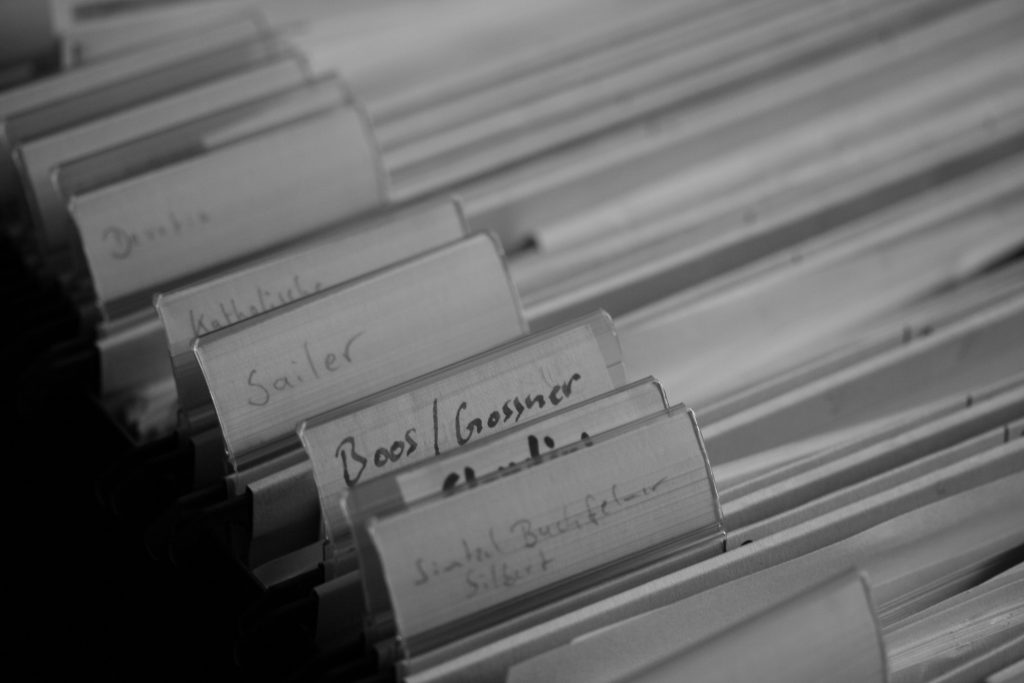
1. Create a Clear Folder Structure
Start with broad categories, then create subfolders for specific projects, clients, departments, or topics. A clear folder hierarchy makes files easier to locate and keeps your workspace more manageable.
For example, a simple structure could look like this:
- Work
- Personal
- Projects
- Finances
- Photos
- Documents
- Archive
Inside a project folder, you can create subfolders such as:
- Briefs
- Research
- Drafts
- Final Files
- Reports
- Assets
2. Use Consistent File Names
Consistent file naming is essential for organizing digital files. Clear file names help you understand the content of a document without opening it.
A useful file name can include:
- Date
- Project name
- Document type
- Version number
For example:
2026-08-Marketing-Report-v1ClientName-Campaign-Brief-FinalWebsite-Content-Plan-Q3
Avoid vague file names such as “final,” “new document,” “report2,” or “updated version.” These names become confusing over time.
3. Use Tags and Categories
Folders are useful, but tags can make file organization even more flexible. Tags help you group files across different folders based on topic, priority, status, client, or project type.
For example, you might use tags such as:
- Marketing
- Reports
- Urgent
- Client Files
- Q4 Planning
- Draft
- Approved
This is especially useful when the same file could belong to more than one category.
4. Use Cloud Storage for Access and Backup
Cloud storage tools such as Google Drive, Dropbox, and Microsoft OneDrive can help you access files from different devices and collaborate with others more easily.
Cloud storage also helps protect important files when used with proper backup habits. However, it is still important to organize folders clearly inside your cloud platform so the system does not become messy over time.
5. Archive Old Files Regularly
Not every file needs to stay in your active workspace. Old projects, outdated drafts, and completed reports can be moved to an archive folder.
Archiving helps keep your current workspace clean while still preserving important information for future reference.
Digital File Organization Checklist
| Task | Purpose | Recommended Frequency |
|---|---|---|
| Create main folders | Separate major areas of work and life. | Once, then update as needed. |
| Use clear file names | Make documents easier to identify. | Every time you save a file. |
| Move files from Downloads | Prevent clutter from building up. | Weekly. |
| Archive old files | Keep active folders clean. | Monthly or quarterly. |
| Check backups | Protect important information. | Monthly. |
What Are Deep Work Habits?
Deep work habits are routines that help you focus on demanding tasks without constant interruption. Deep work is useful for projects that require concentration, creativity, analysis, writing, planning, or problem-solving.
When your files are organized, deep work becomes easier because you spend less time searching for materials and more time working on meaningful tasks.
How to Build Deep Work Habits
Building deep work habits does not require a perfect schedule. Start by protecting short periods of focused time and gradually increase them as your concentration improves.
1. Schedule Deep Work Blocks
Use your calendar to block specific periods for focused work. Treat these blocks like important meetings and avoid scheduling calls, messages, or small tasks during that time.
For beginners, a 60 to 90-minute block is often easier to maintain than several hours of uninterrupted work.
2. Turn Off Digital Distractions
Notifications, emails, messages, and open browser tabs can quickly interrupt focus. Before starting deep work, close unnecessary apps and silence notifications.
You can also use focus modes on your phone or computer to limit interruptions during important tasks.
3. Use the Pomodoro Technique
The Pomodoro Technique is a simple method for staying focused. It usually involves working for 25 minutes, then taking a 5-minute break. After four cycles, you take a longer break.
This technique can be useful for beginners because it makes focused work feel more manageable.
4. Avoid Multitasking
Multitasking often makes work slower and less accurate. During deep work, focus on one task at a time and avoid switching between unrelated activities.
If a new idea or task appears, write it down and return to it later instead of interrupting your current work.
5. Create a Deep Work Routine
A simple routine can signal to your brain that it is time to focus. Your routine might include clearing your desk, opening only the files you need, starting a timer, and turning on focus mode.
Repeating the same steps helps deep work become a consistent habit.
Best Time Management Tools for Digital Organization and Deep Work
Time management tools can help you plan tasks, protect focus time, and track how your workday is being used. The best tool depends on your workflow and personal preferences.
Task Management Tools
Task management tools help you organize responsibilities, break large projects into smaller steps, and track progress.
Popular options include:
- Todoist
- Trello
- Asana
- ClickUp
- Microsoft To Do
Calendar Tools
Calendar tools are useful for time blocking and protecting deep work sessions. You can schedule focus blocks, reminders, meetings, and review periods.
Popular options include:
- Google Calendar
- Microsoft Outlook Calendar
- Apple Calendar
- Notion Calendar
Time Tracking Tools
Time tracking tools show where your time is going. They can help you identify distractions, estimate project duration, and improve planning.
Popular options include:
- Toggl Track
- Harvest
- Clockify
- RescueTime
Focus Tools
Focus tools help reduce distractions and create a better environment for deep work.
Popular options include:
- Forest
- Focus@Will
- Freedom
- Cold Turkey
How to Combine File Organization, Deep Work, and Time Management
The best productivity system connects file organization, deep work habits, and time management tools into one simple workflow.
Here is one example:
- Organize project files into clear folders.
- Create a task list for the project in a task management tool.
- Block deep work time in your calendar.
- Turn off notifications before the session begins.
- Open only the files needed for that task.
- Use a timer or focus app to stay on track.
- At the end of the session, save files with clear names.
- Update your task status and plan the next step.
This workflow reduces the time spent switching between tools and makes each work session more intentional.
Useful Time Management Techniques
Besides using digital tools, simple time management techniques can help improve your productivity.
Time Blocking
Time blocking means assigning specific periods of your day to specific types of work. For example, you might use mornings for deep work and afternoons for meetings, emails, or administrative tasks.
The Two-Minute Rule
The Two-Minute Rule suggests completing a task immediately if it takes less than two minutes. This helps prevent small tasks from piling up and cluttering your mind or to-do list.
Batching Similar Tasks
Batching means grouping similar tasks together. For example, you can answer emails, organize files, or review reports during dedicated time blocks instead of switching between them throughout the day.
Weekly Review
A weekly review helps you check your tasks, files, calendar, and priorities. This is a good time to clean up folders, update deadlines, and prepare for the next week.
Common Mistakes to Avoid
Organizing digital files and building deep work habits becomes easier when you avoid common mistakes.
- Creating too many folders: A complicated folder system can become harder to maintain.
- Using vague file names: Names like “final” or “new version” create confusion later.
- Skipping regular cleanup: Digital clutter returns quickly without maintenance.
- Trying too many productivity tools: Too many tools can create more work instead of less.
- Multitasking during deep work: Switching tasks reduces focus and quality.
- Ignoring backups: Organization is not complete without protecting important files.
READ ALSO: 6 Easy Open Source Software Alternatives to Organize Digital Files
FAQ About Organizing Digital Files and Deep Work
What is the best way to start organizing digital files?
The best way to start is by creating a simple folder structure with broad categories such as Work, Personal, Projects, and Archive. Then rename important files clearly and move outdated files out of active folders.
How often should I clean up my digital files?
A weekly light cleanup and a monthly deeper review can help keep your digital workspace organized. You can also schedule quarterly archive sessions for older files.
What are deep work habits?
Deep work habits are routines that help you focus on demanding tasks without distraction. Examples include time blocking, turning off notifications, using focus apps, and working on one task at a time.
Which time management tools are best for beginners?
Beginner-friendly options include Google Calendar for time blocking, Todoist for task lists, Trello for visual project management, and Clockify or Toggl Track for time tracking.
How do organized files help productivity?
Organized files reduce time spent searching for information, make projects easier to manage, and help you enter deep work sessions with fewer interruptions.
Conclusion
Organizing digital files is a practical first step toward a more focused and productive work routine. A clear folder structure, consistent file names, cloud storage, backups, and regular cleanup can reduce digital clutter and make information easier to find.
When file organization is combined with deep work habits and time management tools, your workflow becomes more intentional. You can protect focus time, reduce distractions, and complete important tasks with more clarity.
Start small, keep your system simple, and review it regularly. Over time, these habits can help you work smarter, stay organized, and build a digital workspace that supports long-term productivity.

Beatriz Johnson is a technology writer with an academic background in Digital Communication and Information Technology. She helps beginners understand digital tools, online safety, apps, productivity, and basic tech skills through clear and practical guides.