What You Need to Know About Two-Factor Authentication to Enhance Your Security
The Importance of Cybersecurity
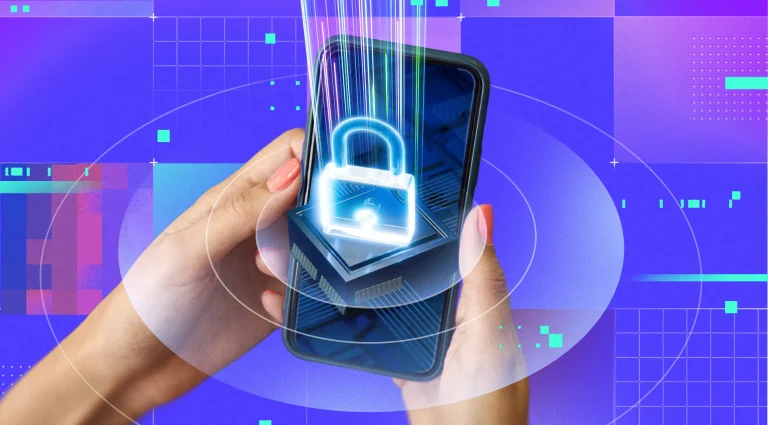
As our lives become more connected to technology, protecting our online presence has never been more important. Data breaches regularly make headlines, and personal information is a constant target for cybercriminals. Because of this, individuals need to take active steps to secure their accounts. Two-Factor Authentication, often called 2FA, has become one of the most important tools for strengthening digital security and preventing unauthorized access.
What is Two-Factor Authentication?
Two-Factor Authentication is a security method that requires users to verify their identity in two different ways before accessing an account. This extra layer of protection greatly reduces the risk of unauthorized access because attackers need more than just a password to get in.
Instead of relying only on something a user knows, such as a password, 2FA also requires another form of verification that is harder for cybercriminals to obtain.
Components of 2FA
Understanding the main components of 2FA helps explain why it is so effective:
- Something you know: This is usually a password or PIN that belongs to the user. For example, your bank password may be a complex combination of letters, numbers, and symbols, but on its own, it may not be enough to fully protect your account.
- Something you have: This usually refers to a second verification tool, such as a smartphone app that generates temporary codes, text messages with one-time passwords, or hardware tokens that create security codes. Apps like Google Authenticator and Authy generate new codes every 30 seconds, making stolen passwords far less useful without the second factor.
- Something you are: This involves biometric verification, such as fingerprints or facial recognition. Many smartphones and laptops now include fingerprint scanners or facial recognition tools, allowing users to confirm their identity with a touch or glance.
Impact of Two-Factor Authentication
The value of 2FA is clear. Statistics show that accounts protected by two-factor authentication are 99% less likely to be compromised. This demonstrates how even a relatively simple security measure can provide a major improvement in account protection.
Setting Up 2FA
Setting up 2FA may vary depending on the platform, but the process is usually straightforward. In most cases, users go to their account security settings, select the two-factor authentication option, and follow the instructions to connect their preferred verification method.
This may involve using an authentication app, receiving text message codes, or getting codes by email. The setup process often takes only a few minutes. Once enabled, you will be asked for the second form of verification whenever you log in from an unfamiliar device, adding a strong layer of protection to your account.
Conclusion
As cyber threats continue to evolve, two-factor authentication offers a simple but powerful way to strengthen your digital defenses. By understanding how 2FA works, what methods are available, and how to set it up, you can take meaningful steps to protect your personal and financial information. In a world where cyberattacks are becoming more sophisticated, keeping your defenses strong is essential.
The Mechanics Behind Two-Factor Authentication
To fully understand the importance of Two-Factor Authentication, it helps to look at how it works in practice. As cyber threats become more advanced, traditional password-only systems are often not enough to protect sensitive information. 2FA addresses this weakness by adding a second layer of verification, making it harder for attackers to gain access.
Types of 2FA Methods
Two-Factor Authentication can be implemented in several ways. Each method has its own advantages and limitations, so understanding the options can help users choose the best one for their needs.
- SMS Codes: One common form of 2FA sends a one-time code to the user’s registered phone number. While convenient, this method can be vulnerable to SIM-swapping attacks, where an attacker takes control of a phone number to receive verification codes.
- Email Codes: Some services send verification codes by email. This provides more security than using only a password, but it can still be risky if the email account itself is compromised.
- Authentication Apps: Apps such as Google Authenticator, Microsoft Authenticator, and Authy generate time-sensitive codes used as the second authentication factor. These apps are generally more secure than SMS because they do not depend on cellular networks.
- Hardware Tokens: Hardware tokens are small physical devices that generate unique security codes. This method offers strong protection but may require purchasing and carrying an additional device.
- Biometric Authentication: Fingerprint scans and facial recognition provide a more advanced form of 2FA. Because this method uses unique biological traits, it is extremely difficult for attackers to replicate.
The Role of User Behavior in 2FA
Although 2FA greatly improves security, user behavior still plays an important role. Even with two factors enabled, careless habits can create risks. Weak passwords, repeated passwords across multiple accounts, and falling for phishing scams can reduce the effectiveness of 2FA.
Good password hygiene, regular security updates, and awareness of phishing attempts are essential for getting the full benefit of two-factor authentication. Reviewing account activity can also help users identify suspicious access attempts and respond quickly.
The Growing Adoption of 2FA in Various Sectors
Two-Factor Authentication is becoming increasingly common across many sectors in the United States, including banking, social media, and online services. Major financial institutions such as Chase and Bank of America use 2FA to help protect sensitive financial data. Platforms like Facebook and Google have also adopted stronger authentication processes to protect user accounts.
This widespread use shows that 2FA is no longer just an optional personal security measure. It is quickly becoming a standard practice for protecting online accounts.
Understanding Two-Factor Authentication
Two-Factor Authentication is a security system that adds another layer of protection to online accounts. A password is usually the first line of defense, but relying on a password alone can be risky. With data breaches and hacking incidents becoming more common, 2FA has become important for both individuals and organizations.
How Two-Factor Authentication Works
2FA combines something you know, such as your password, with something you have, such as a mobile device or security token. After entering your password, you are usually asked to provide a one-time code sent to your device or generated by an authentication app.
This means that even if someone steals your password, they still cannot access your account without the second factor.
Types of Two-Factor Authentication Methods
- SMS Verification: A code is sent to your mobile phone by text message.
- Email Verification: A code is sent to your registered email account.
- Authenticator Apps: Apps like Google Authenticator and Authy generate temporary codes and are generally considered more secure than SMS.
- Hardware Tokens: Physical devices such as YubiKeys can be plugged into a computer or used wirelessly for verification.
Each method has strengths and weaknesses. SMS verification is easy to use but can be vulnerable to SIM-swapping attacks. Hardware tokens offer stronger security but can be lost or damaged.
Benefits of Implementing Two-Factor Authentication
Using 2FA significantly lowers the risk of unauthorized access and gives users greater peace of mind, especially when managing sensitive information. Research shows that accounts with two-factor authentication enabled are 99.9% less likely to be compromised than accounts that rely only on passwords. This highlights the important role 2FA plays in modern digital security.
Organizations that use 2FA can also strengthen customer trust by showing a clear commitment to protecting user data. As identity theft and online fraud continue to rise, 2FA stands out as a practical way to improve security and build confidence.
| Category | Advantages |
|---|---|
| Enhanced Security | Adds a second verification step, helping protect accounts from unauthorized access. |
| User Confidence | Builds trust by showing that stronger security measures are in place. |
By understanding how Two-Factor Authentication works and why it matters, users can make better decisions about protecting their digital accounts. Online threats are always changing, so strong security practices are essential for both personal and organizational safety.
Enhancing Security Through User Education
Enabling Two-Factor Authentication is only part of a strong cybersecurity strategy. User education is just as important. Many people do not fully understand how 2FA works across different platforms or which methods provide the best protection. Better education can reduce mistakes and make 2FA more effective.
Challenges Faced by Users
Even though 2FA is becoming more widely recognized, many users still face challenges when setting it up or using it consistently. One common misconception is that 2FA is complicated or time-consuming. In reality, most platforms have made setup simple, and it often takes only a few minutes.
Another issue occurs when users change phones or lose access to their authentication method. Many people do not realize they need to back up recovery codes or authentication apps. Without these backups, they may be locked out of their accounts.
Cybercriminals are also becoming more sophisticated. Users need to understand not only why 2FA matters but also how to recognize phishing attempts designed to bypass it. Attackers may send fake authentication requests or create duplicate login pages to trick users into revealing codes.
The Role of Regulatory Standards
As concerns about data security grow, regulatory standards are increasingly encouraging or requiring the use of 2FA. The Health Insurance Portability and Accountability Act, or HIPAA, requires healthcare providers to use strong security measures to protect sensitive patient information. Financial regulations from the Securities and Exchange Commission also recommend robust authentication methods to help protect investors from fraud.
For businesses, implementing 2FA strengthens security and can also improve credibility. In an environment where a data breach can quickly damage a company’s reputation, showing a commitment to security can become a major advantage.
The Future of 2FA and Emerging Technologies
Two-Factor Authentication continues to evolve as technology advances. New methods such as biometric authentication and artificial intelligence are creating more dynamic verification systems. Behavioral biometrics, for example, can analyze patterns such as typing speed or swipe behavior to help confirm a user’s identity.
As the Internet of Things expands, securing smart devices is also becoming more important. Adding 2FA to IoT devices can reduce the risk of unauthorized access, from smart home security systems to connected workplace tools.
Passwordless authentication is another important development. This approach uses biometric data or hardware security keys instead of traditional passwords. As organizations move toward these newer solutions, 2FA may change in form, but its main purpose will remain the same: adding a stronger layer of protection.
Understanding how Two-Factor Authentication is evolving and staying alert to security risks are important steps for individuals and organizations. As cyber threats advance, security practices must continue to improve.
Conclusion: The Imperative of Two-Factor Authentication in Modern Security
In an increasingly digital world, understanding Two-Factor Authentication is essential for protecting personal and organizational data. 2FA acts as an additional barrier against unauthorized access, making it much harder for cybercriminals to break into accounts. However, its effectiveness depends on user education, awareness of risks, and preparation for unexpected situations such as losing access to a device.
Regulatory standards also play an important role in promoting stronger security practices. Many industries now require or recommend 2FA, showing how important it has become for protecting sensitive information. For organizations, adopting 2FA can help meet compliance expectations while also building trust with users.
Looking ahead, 2FA will continue to evolve with new technologies such as biometric verification and passwordless authentication. As these methods become more common, users and organizations must stay informed and adaptable. The tools may change, but the goal remains the same: improving security and protecting sensitive information.
Embracing Two-Factor Authentication and prioritizing security education are critical steps in defending against cyber threats. Strong authentication methods, combined with careful user behavior, can help protect information in an increasingly connected world. Security is not a one-time action. It is an ongoing commitment to staying prepared, informed, and protected.

Beatriz Johnson is a technology writer with an academic background in Digital Communication and Information Technology. She helps beginners understand digital tools, online safety, apps, productivity, and basic tech skills through clear and practical guides.