
How to Protect Your Online Privacy with the Best Cybersecurity Tips and Two-Factor Authentication
The Importance of Cybersecurity in a Digital World
In today’s digital environment, protecting your online privacy is more important than ever. As technology becomes a central part of everyday life, cybercrime has grown more aggressive and more widespread. Reports suggest that in 2022 alone, more than 80% of organizations experienced cyberattacks, showing how common these threats have become.
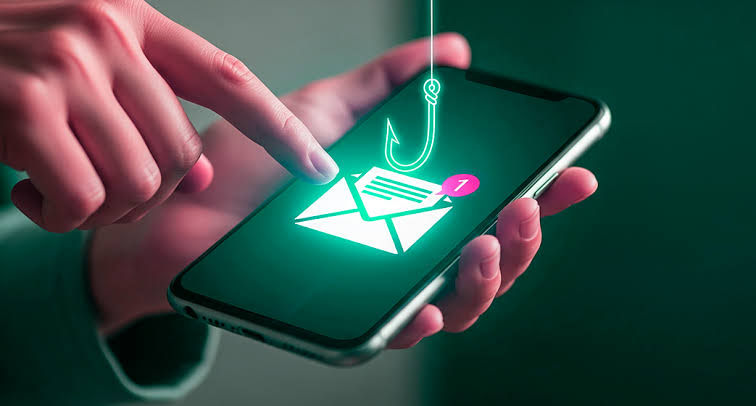
Phishing is another major concern. Nearly 60% of Americans are estimated to have faced phishing attempts, where cybercriminals try to trick people into sharing sensitive information. These numbers highlight a serious reality: a single security breach can lead to financial loss, personal damage, and a loss of trust in the businesses affected by cyberattacks.
Understanding the Risks
Technology has made daily life more convenient, but it has also increased the risks tied to online privacy. Personal data is now stored across many digital platforms, and one security mistake can expose users to identity theft, financial loss, or unauthorized access to private information.
It is also important to remember that even large corporations are not immune. Data breaches can cost companies millions of dollars and damage their reputations for years. This makes strong cybersecurity practices essential for both individuals and businesses.
Strengthening Your Cybersecurity
How can you better protect yourself from these threats? One of the most effective steps is to adopt stronger cybersecurity habits. Consider the following practices:
- Use Strong Passwords: Create complex passwords that combine letters, numbers, and symbols. Avoid dictionary words or personal details that are easy to guess, such as birthdays.
- Regularly Update Software: Keeping your operating system and applications updated helps protect against vulnerabilities that hackers may try to exploit.
- Beware of Public Wi-Fi: Avoid accessing sensitive information when connected to public networks. For added safety, consider using a virtual private network, or VPN.
- Educate Yourself on Phishing: Learn how common phishing tactics work, and be cautious with unsolicited emails or messages that ask for personal information.
The Role of Two-Factor Authentication
Another important tool for improving cybersecurity is two-factor authentication, also known as 2FA. This security measure adds an extra layer of protection by requiring more than just a password. Users must also confirm their identity through a second method, such as a text message, email code, or authentication app.
By requiring this additional step, 2FA can greatly reduce the risk of unauthorized access to your accounts.
As technology continues to advance, cybercriminals also adapt their methods. Staying informed about current security practices is essential. By applying these strategies, you can take proactive steps to protect your online privacy and strengthen your digital security.
Understanding the Vulnerabilities in Our Digital Lives
The digital age offers many conveniences, but constant connectivity also creates new vulnerabilities. Online accounts, from social media profiles to banking platforms, often contain sensitive information that cybercriminals actively seek.
Identity theft remains one of the most serious consequences of weak cybersecurity habits. According to the Federal Trade Commission, identity theft complaints rose to more than 1.4 million in 2021, showing how widespread the threat has become.
Hackers are constantly developing new ways to exploit weak security. Some use keyloggers, which record every keystroke made on a keyboard, while others rely on malware to access private information. The FBI reported that online crime surged during the COVID-19 pandemic, with reported losses exceeding $4.2 billion in 2020. These examples show why improving cybersecurity awareness and habits is so urgent.
Tips for Enhancing Your Online Security
The good news is that protecting your online privacy does not require advanced technical knowledge. Simple, consistent actions can significantly reduce your exposure to cyber threats.
Consider these essential tips:
- Enable Two-Factor Authentication: Use 2FA whenever it is available. This adds a second verification step, making unauthorized access much more difficult.
- Regularly Monitor Accounts: Review your bank and credit card statements often. Report suspicious activity immediately to limit possible damage.
- Utilize Firewalls and Antivirus Software: A firewall and reputable antivirus software provide a basic layer of protection against threats that could compromise your devices or personal data.
- Limit Personal Information Sharing: Be careful about what you share online. Adjust privacy settings on social media platforms and avoid posting details that could be misused.
The Impact of Two-Factor Authentication
Among these strategies, two-factor authentication stands out as one of the most effective defenses. By requiring both a password and a second form of identification, such as a text confirmation or app-generated code, 2FA makes it much harder for hackers to access your accounts.
Reports indicate that accounts using 2FA are less likely to be compromised. This added step creates a strong barrier against unauthorized access and helps protect sensitive information.
As cybersecurity threats continue to evolve, staying alert and informed is essential. By practicing stronger security habits, you protect not only your own digital life but also contribute to a safer online environment for others.
| Advantage | Description |
|---|---|
| Enhanced Security | Using two-factor authentication significantly reduces the risk of unauthorized access by adding another layer of protection beyond passwords. |
| Increased Privacy | Following cybersecurity best practices, such as regular software updates and strong password creation, helps protect your personal data and online privacy. |
Adding these practices to your digital routine can make a meaningful difference. Many users overlook the importance of checking privacy settings on different platforms, which can leave sensitive information exposed. It is also important to understand how your data is shared with third-party applications. Always review permission requests before granting access.
Using a VPN can add another layer of security while browsing by helping protect your communication and allowing you to browse more privately. As cybersecurity threats keep changing, staying informed and updating your habits is essential.
Regular account audits can also help reveal suspicious activity early, giving you the chance to respond quickly. As you continue learning about cybersecurity, these strategies can create a strong foundation for protecting your online privacy. A proactive approach remains one of the best defenses against potential threats.
Advanced Security Measures for a Safer Digital Experience
As cyber threats become more advanced, stronger cybersecurity measures are increasingly necessary. While strong passwords and two-factor authentication are essential, additional practices can strengthen your defenses even further.
Regularly Update Software and Devices
One of the simplest but most often overlooked security measures is keeping software and devices updated. Developers frequently release updates to fix security vulnerabilities discovered after launch. By enabling automatic updates for your operating system, apps, and antivirus software, you help ensure that your devices have the latest protections.
According to a study by the National Cyber Security Centre, nearly 60% of breaches can be linked to unpatched software vulnerabilities. This makes timely updates a critical part of online safety.
Employ a Password Manager
With so many online accounts, creating strong and unique passwords for each one can be difficult. Password managers solve this problem by generating and securely storing complex passwords.
These tools use advanced encryption to protect login credentials, making it easier to avoid password reuse. A study from the University of Maryland found that approximately 65% of respondents reuse passwords across multiple sites, a habit that greatly increases the risk of account breaches. Using a password manager can significantly reduce this risk.
Be Wary of Public Wi-Fi Networks
Public Wi-Fi networks are convenient, but they are often insecure. Cybercriminals may create fake hotspots to intercept information from unsuspecting users. When using public Wi-Fi, a VPN can provide an encrypted connection and help protect your data.
A VPN can also mask your IP address, offering greater anonymity and reducing the risk of data theft. A Norton survey found that 54% of people frequently use public Wi-Fi, highlighting the need for stronger caution and better security practices in these environments.
Stay Educated on Phishing Scams
Phishing scams remain one of the most common threats to online safety. These scams use deceptive emails, messages, or websites to trick users into sharing personal information. Cybercriminals are also becoming more sophisticated, using targeted tactics such as spear phishing to make their messages appear legitimate.
Learning to recognize common warning signs, such as urgent requests for information, suspicious links, or generic greetings, can help you avoid these traps. The Anti-Phishing Working Group reported a 22% increase in phishing attacks during the first half of 2021 compared to the previous year, showing why awareness is so important.
Utilize Privacy-Focused Browsers and Search Engines
Privacy-focused browsers such as Brave and Firefox can help protect users with built-in ad blockers and enhanced tracking protection. Search engines like DuckDuckGo also offer more privacy by not tracking search history.
Using these alternatives can reduce digital profiling and help protect your online identity. Combined with other cybersecurity practices, they create a stronger and more private browsing experience.
By adding these advanced measures to your routine, you can improve your online privacy and build stronger protection against cyber threats. Staying informed and adjusting your cybersecurity practices as technology changes is essential for protecting your digital life.
Conclusion: Safeguarding Your Digital World
In a time when personal information is constantly at risk, protecting your online privacy is essential. Strong cybersecurity habits, including two-factor authentication, software updates, password managers, and caution on public Wi-Fi, help create a stronger defense against digital threats.
Staying educated about phishing scams and using privacy-focused browsers can further protect your online identity. As cybercriminals continue to refine their tactics, adapting your defenses is necessary for maintaining personal security and peace of mind.
A study by Cybersecurity Ventures predicts that cybercrime will cost the world $10.5 trillion annually by 2025. This reinforces the importance of taking cybersecurity seriously at an individual and organizational level.
Protecting online privacy is not a one-time task. It is an ongoing process that requires awareness, updated tools, and consistent habits. By applying these measures and staying informed about new cybersecurity developments, you can protect your personal information and contribute to a safer digital environment. Your digital privacy matters, and taking action today can help secure it for the future.

Beatriz Johnson is a technology writer with an academic background in Digital Communication and Information Technology. She helps beginners understand digital tools, online safety, apps, productivity, and basic tech skills through clear and practical guides.